
 by admin
Near Córdoba, the Andalusian city of Medina Azahara stands as a symbol of the grandeur of the Caliphate of Córdoba. Among the many treasures linked to it, the Fawn stands out as one of the most emblematic and fascinating pieces. This article explores the history, meaning and features of the Fawn and invites visitors to learn more about this archaeological gem.
Historical context of Medina Azahara
Medina Azahara was built in the 10th century under Caliph Abd al-Rahman III, who wanted to establish a new centre of power in the region. The city was not only the residence of the caliph and his court but also an important administrative, cultural and religious centre. Its destruction during the Andalusian civil war left traces that archaeologists are still uncovering today.
Description of the Fawn
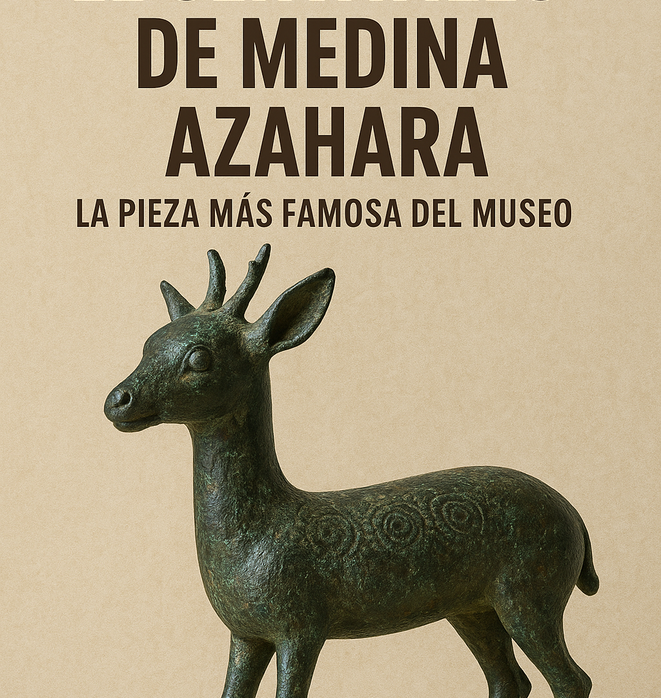
The Medina Azahara Fawn is a bronze sculpture of a deer, renowned for its extraordinary beauty and detailed craftsmanship. Measuring roughly 40 centimetres in length, it is an outstanding example of Islamic metalwork from the caliphal period.
Technical features
The Fawn dates from the 10th century, a golden age when metalwork reached very high standards. It is characterised by:
- Meticulous anatomical detail.
- The use of advanced casting techniques.
- The depiction of the deer in an elegant, natural pose.
These features highlight the artistic and technical level achieved at Medina Azahara.
The cultural meaning of the Fawn
The Fawn is not just a work of art; its symbolism goes further. In Andalusian culture, deer represented a connection with nature and beauty, as well as grace and agility. Their presence in the decoration of palaces and gardens reflected the admiration for wildlife and nature that prevailed at the time.
Link with the palace gardens
The Fawn is believed to have stood alongside other decorative elements in a garden, where every feature was carefully chosen to celebrate the beauty of the natural world. Gardens of flowers and water, decorated with sculptures, were spaces for contemplation intended to reflect Paradise on earth.
The discovery of the Fawn
The Fawn was found in the area of Medina Azahara, and its discovery has been essential to better understanding life and culture in the Caliphate of Córdoba.
Restoration
After its discovery, the Fawn underwent a meticulous restoration process that allowed it to be preserved and put on public display. This process reflects the commitment to protecting the region’s cultural and artistic heritage.
Tips for your visit
If you are planning to visit Medina Azahara and admire the Fawn, here are some tips:
- Tour guide: Hiring a guide is recommended for a deeper understanding of the history and meaning of the pieces.
- Best time to visit: Spring and early autumn are ideal, as the weather is milder.
- Comfortable clothing: Be ready to walk during your visit and wear comfortable shoes.
- Photography: Check the photography rules inside the museum.
Frequently asked questions
Where is the Fawn displayed in the museum?
The Fawn is shown in one of the main rooms, alongside other important pieces of Andalusian culture.
Can I touch the Fawn?
No, it is kept in a secure display case to ensure its preservation and protection.
How long does a visit to Medina Azahara take?
We recommend allowing at least 2 to 3 hours to explore the archaeological site and the museum.
Are guided tours available?
Yes, there are guided tours that offer valuable information and details about the history of the site.
Conclusion
The Medina Azahara Fawn is a work of art that embodies the cultural richness of the Caliphate of Córdoba. Its beauty and symbolism continue to fascinate visitors. On your next trip to Córdoba, make sure you visit Medina Azahara and discover the magic of this emblematic deer. Book a guided tour and immerse yourself in Andalusian history.


