
 by admin
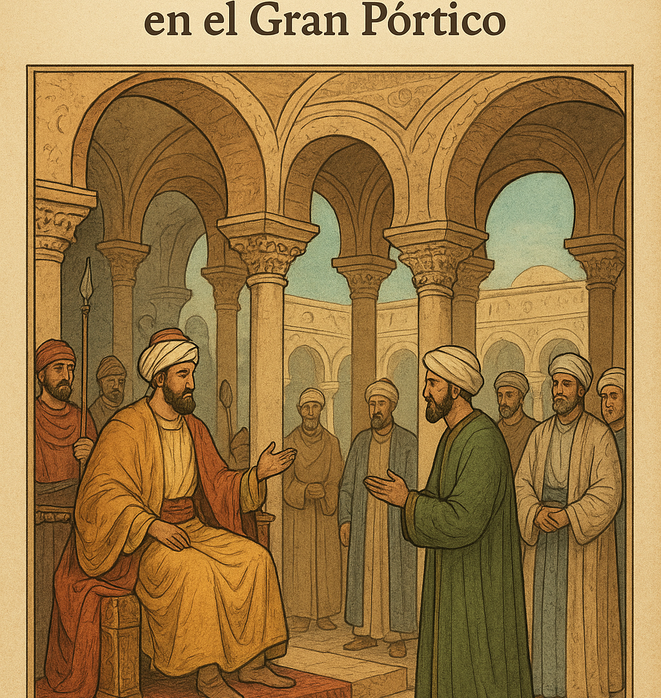
Medina Azahara, a palace city built in the 10th century, was the stage for countless ceremonies and state occasions. In this article we look at the protocol the caliph followed when receiving embassies at the Great Portico, an iconic space that reveals the grandeur and sophistication of the Caliphate of Córdoba. This blend of culture and politics is a key part of the site’s history and gives visitors a unique glimpse into the Andalusian court.
The importance of the Great Portico
The Great Portico was far more than an entrance to the palace: it embodied the magnificence of caliphal power. Built with high-quality materials, its marble columns and ceramic ornaments reflect the splendour of Andalusian architecture. It was the preferred setting for official receptions, where the caliph displayed his authority and status.
Architecture and design
The dimensions of the Great Portico are imposing, and its open, light-filled design invited embassies and dignitaries to enter with respect and admiration. Every detail was conceived to make a visual impact that reinforced the caliph’s image as supreme ruler.
The protocol for receiving embassies
Receiving an embassy was an elaborate ritual that began long before the visitors arrived. The caliph relied on a team of officials responsible for preparing everything so that the reception ceremony would run without a hitch.
Preparations beforehand
Before each visit, meticulous preparations were made, including cleaning and decorating the Great Portico and laying out luxurious carpets. Members of the court made sure everything was in perfect order, from the clothing to the banquets that would be served.
The arrival of the embassy
Once an embassy reached Medina Azahara, it was met by a group of officials who carried out a first welcoming protocol. This served as the formal welcome, during which the guests were symbolically offered water and food before being presented to the caliph.
Symbolism in the reception
In Islamic culture, water symbolises purity and hospitality, and offering it was a gesture of respect towards visitors. After this initial ritual, the ambassadors were led to the Hall of Ambassadors, where the formal presentations took place.
The Hall of Ambassadors
This was an exclusive space, adorned with splendid decoration and fine examples of caliphal art. Here gifts were exchanged and diplomatic alliances were sealed. It was a stage for speeches and promises, where the caliph’s power was shown to the outside world.
The exchange of gifts
The exchange of gifts between the caliph and the ambassadors played a crucial role in international relations. These gifts, often elaborate and symbolic, demonstrated mutual respect and helped to cement strategic alliances.
The farewell and its meaning
Once the meeting was over, the farewell was as ceremonious as the welcome. Visitors received gifts, and a final gesture of hospitality took the form of a banquet. Food played a vital role in these ceremonies, symbolising not only the caliph’s wealth but also his ability to look after his guests.
Cultural significance
This kind of protocol was not limited to receiving embassies: it reflected the climate of diplomacy and understanding that defined the Caliphate of Córdoba. Visitors were praised for their courage and wisdom, while the caliph established himself as a mediating figure.
Tips for your visit
- Recommended time: Allow at least half a day to appreciate every detail of Medina Azahara.
- Best time of year: Spring and autumn offer ideal weather for a visit.
- Guided tours: Consider a guided tour to fully understand the history and meaning of each corner of the site.
Frequently asked questions
What can you see at Medina Azahara?
At Medina Azahara you can see the remains of palaces, gardens and buildings that reflect the grandeur of the Caliphate.
Is there transport to Medina Azahara?
Yes, there are buses and tours that will take you directly to the site.
Is it accessible for people with reduced mobility?
There are adapted routes, but we recommend checking the available facilities in advance.
Is it better to visit in a group or on your own?
Visiting in a group can make the experience richer thanks to the interaction with guides and other visitors.
Conclusion
The Great Portico of Medina Azahara is not just an architectural space; it is living testimony to the cultural wealth and sophisticated protocol of the Caliphate of Córdoba. Don’t hesitate to book your visit and step into this remarkable story that has endured for centuries.


