
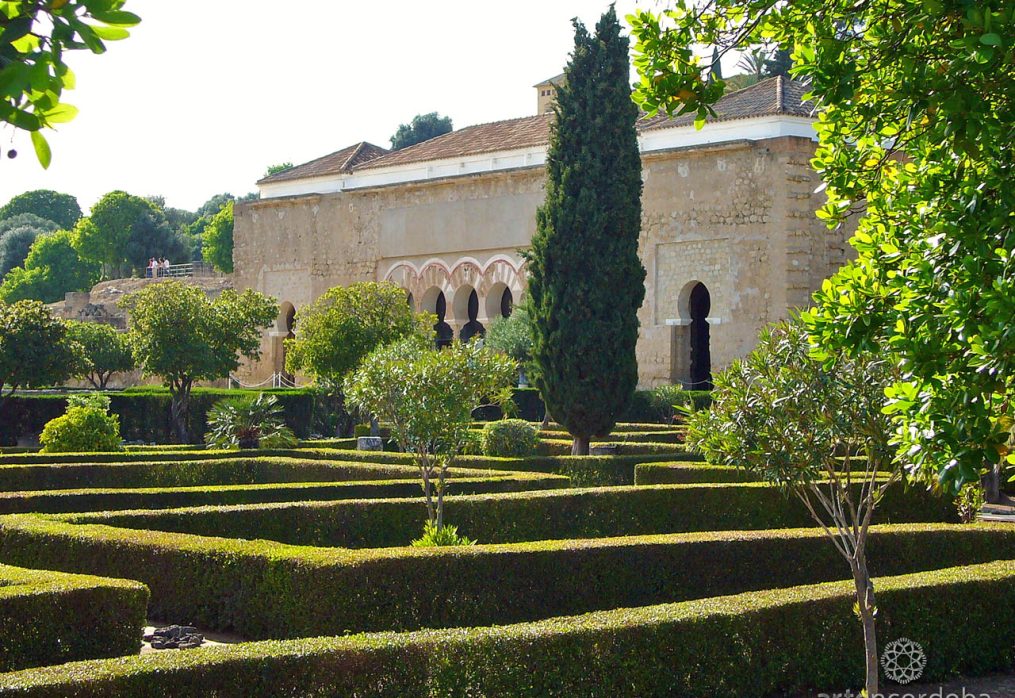
 by admin
This autumn, Medina Azahara restoration work is shaping life at the archaeological site. Since 2025 the Andalusian regional government has allocated more than 3.3 million euros to conserving Abd al-Rahman III’s palace city, making it more sustainable and improving the way visitors explore it. Here is what has been finished, what is under way and how it affects your visit.
An investment of over €3.3 million since 2025
The figures were presented in late July 2026 by the regional Minister for Culture and Sport, Patricia del Pozo, together with the Mayor of Córdoba, José María Bellido, at the Madinat al-Zahra Archaeological Complex itself. The total covers three kinds of work: a major project already completed on the museum building, a new visitor route to the Salón Rico and several emergency interventions on the site.
The logic is clear: protect what has been excavated, reduce the impact of modern facilities and open to the public areas that until now could not be visited. It continues the long tradition of care for a city founded by the caliph we profiled in our article on Abd al-Rahman III.
The new museum roof and solar panels
The project with the largest budget is already complete. Renewing the roof of the museum and headquarters building cost 2.3 million euros and covers 4,480 square metres. It was carried out to solve the water leaks the building had suffered from and, at the same time, to improve its energy efficiency.
372 photovoltaic panels with a matte finish
372 photovoltaic panels have been installed on the new roof. They have a matte finish to avoid glare, an important detail in a protected landscape at the foot of the Sierra Morena. According to the regional government, the work cuts the building’s energy consumption and emissions by around 40%. It was partly funded by the PIREP programme and European Next Generation funds.
For visitors the roof does not change the route, but it ensures that the museum, home to pieces as famous as the bronze fawn, keeps its collections in good condition. It is well worth stopping there before heading up to the site.
A new visitor route to the Salón Rico
The project visitors will notice most is the reorganisation of access to the Salón Rico, the caliph’s great reception hall. Its budget is 878,606 euros, 85% co-funded by the European EAFRD fund, and work was scheduled to start in September 2026 with a nine-month timeframe.
Bringing back the Camino de los Nogales
The project adds the Camino de los Nogales (the Walnut Path), a caliphal-era road, to the visitor route. The new section will start at the North Gate, follow that road and connect with the ramp and esplanade of the Great Portico. The work includes cleaning, repointing, restoring original pieces, recovering historic levels and paving, protecting old water channels and laying new paving only where the original has disappeared. Walkways will also be installed to reduce the impact on the archaeological remains.
Towards a circular visit
The ultimate goal is a more accessible and safer visit that forms a circular route, instead of forcing visitors to go back the way they came. It will also make it possible to open excavated areas that cannot yet be visited, giving a fuller picture of the palace city and of the hall where the caliph received ambassadors.
Emergency work and new research
On top of this, more than 151,000 euros have gone into emergency work. One project concerns the access staircase to the Dar al-Mulk, the caliph’s residence, and another the consolidation of the lower patrol path. In July 2026 the first was 30% complete and the second 75%.
The regional government has already announced that the full recovery of the Salón Rico will continue in 2027, starting with the renewal of its floor. Meanwhile, the fifth and final phase of the research project La medina oculta (The Hidden City) is under way with the University of Córdoba, focusing on the part of the city that still lies underground.
How the works affect your visit to Medina Azahara
The site remains open as normal, but it is worth bearing a few things in mind while the new route is being built:
- Some sections of the route may be signposted or temporarily diverted.
- In 2026 the interior of the Salón Rico has opened through weekend guided talks with limited places: check the official programme before you go.
- Access to the site is still by shuttle bus from the museum, so plan your timings around it.
With a guide, you will also know at every point which areas are under works and why, turning your visit into a chance to see archaeology in action.
Frequently asked questions about Medina Azahara restoration
Is Medina Azahara open during the works?
Yes. The Archaeological Complex remains open to the public while the work is carried out. The new route is being built in phases and may require occasional diversions or the closure of specific sections, so it is a good idea to check the status of the visit on the official website before you travel to the site.
How much is being invested in Medina Azahara?
More than 3.3 million euros since 2025. Of this, 2.3 million went to the new museum roof with solar panels, 878,606 euros to the new route to the Salón Rico and over 151,000 euros to emergency work on the Dar al-Mulk staircase and the lower patrol path, all funded by the Andalusian government with European support.
When will the new route to the Salón Rico be finished?
Work was scheduled to begin in September 2026 with a nine-month timeframe, so if deadlines are met the new route could be ready around mid-2027. The full recovery of the Salón Rico itself will continue in 2027, beginning with the renewal of its floor, according to the regional government.
What is the Camino de los Nogales?
It is a caliphal-era road that was part of the palace city’s network of routes. The new itinerary restores it as part of the visit, from the North Gate to the ramp and esplanade of the Great Portico, repairing its original pieces and adding walkways that protect the archaeological remains beneath visitors’ feet.
The works are the best sign that Medina Azahara is still alive and has plenty more to tell. If you would like to explore it with someone who can explain every stone, and what is being recovered right now, book our guided tour of Medina Azahara.


