
 by admin
The palace city of Medina Azahara, a few kilometres from Córdoba, has been the subject of numerous studies and excavations in recent decades. This archaeological site, which showcases the legacy of the Caliphate of Córdoba, keeps producing surprises that deepen our understanding of this fascinating civilisation. In this article we review the most recent research and the cultural traditions surrounding this iconic place.
History of Medina Azahara
Medina Azahara was built in the 10th century by Caliph Abd al-Rahman III as a symbol of his power and splendour. Considered one of the most advanced cities of its time, its design and architecture reflect the sophistication of Islamic culture. It was an administrative, military and cultural centre that grew into a paradise on earth.
The city was abandoned in the 11th century and gradually fell into ruin. However, thanks to recent archaeological work, many of its secrets are coming to light, helping researchers and visitors to understand this legendary place better.
Recent discoveries
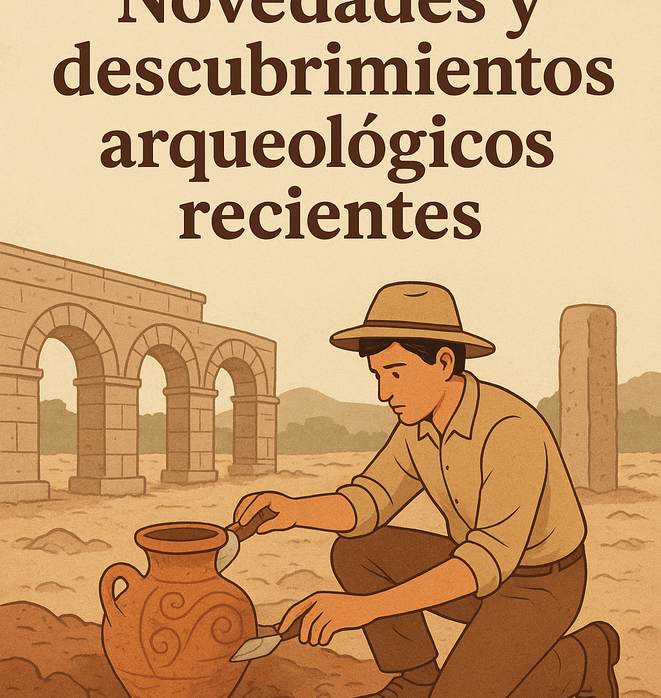
Recent excavations at Medina Azahara have revealed surprising finds, from everyday objects to majestic structures:
- Water structures: Water systems have been found that demonstrate the sophistication of hydraulic engineering at the time.
- Ceramics and utensils: Pieces of pottery have been discovered, some decorated with intricate patterns that show the skill of local craftsmen.
- Walls and buildings: Previously unknown walls and structures have been identified, enriching our understanding of the city’s urban planning.
The architectural styles of Medina Azahara
One of the most impressive features of Medina Azahara is its architectural style. Its design shows Roman and Byzantine influences combined with Islamic elements, making it a unique place. Recent finds have also made it possible to identify:
- Pillars and arches: Many walls are adorned with horseshoe arches and columns that evoke the great Islamic architectural tradition.
- Decorative reliefs: Reliefs have been found that illustrate scenes and motifs of the period.
The cultural impact of Medina Azahara
Medina Azahara is not only important archaeologically; it has also influenced local culture. Restoring the site has had a positive impact on the community. Cultural events and fundraising initiatives are regularly organised to promote its legacy, and educational programmes bring new generations closer to the history and culture of the Islamic era in Spain.
Conservation projects
Conservation work is essential to preserve what remains of this marvellous city. Several projects are under way, including:
- Restoration of structures: Restoration work is being carried out to conserve and protect the most valuable buildings.
- Digital documentation: Finds and structures are being digitised so they can be accessed worldwide for future research.
Tips for your visit to Medina Azahara
If you are planning to visit Medina Azahara, here are some practical tips:
- Book ahead: Guided tours have limited places, so make sure you book before you go.
- Arrive early: To avoid the crowds and enjoy a calmer experience, arrive first thing in the morning.
- Wear comfortable shoes: The routes are long and can be challenging on uneven ground.
- Check the weather: Look at the forecast and bring sun protection or an umbrella depending on the season.
Frequently asked questions
Can you take photographs at Medina Azahara?
Yes, photography is allowed, provided you respect the heritage conservation rules.
Is there public transport to Medina Azahara?
Yes, there are buses connecting central Córdoba with Medina Azahara, making it easy for visitors to get there.
Are tours available in several languages?
Yes, guides are available in Spanish, English, French and other languages on request.
Are there places to rest during the visit?
Yes, there are designated rest areas where visitors can take a break during their tour.
Conclusion
Medina Azahara is a magical place that offers a window onto the past and a rich cultural experience. Recent discoveries and conservation projects ensure that this heritage is not only preserved but celebrated. If you have ever wanted to connect with the history of the Caliphate of Córdoba, don’t miss this treasure. Book your ticket and become part of its story!


